


 Open source.
 Human-readable.
 Editable.
 Portable.


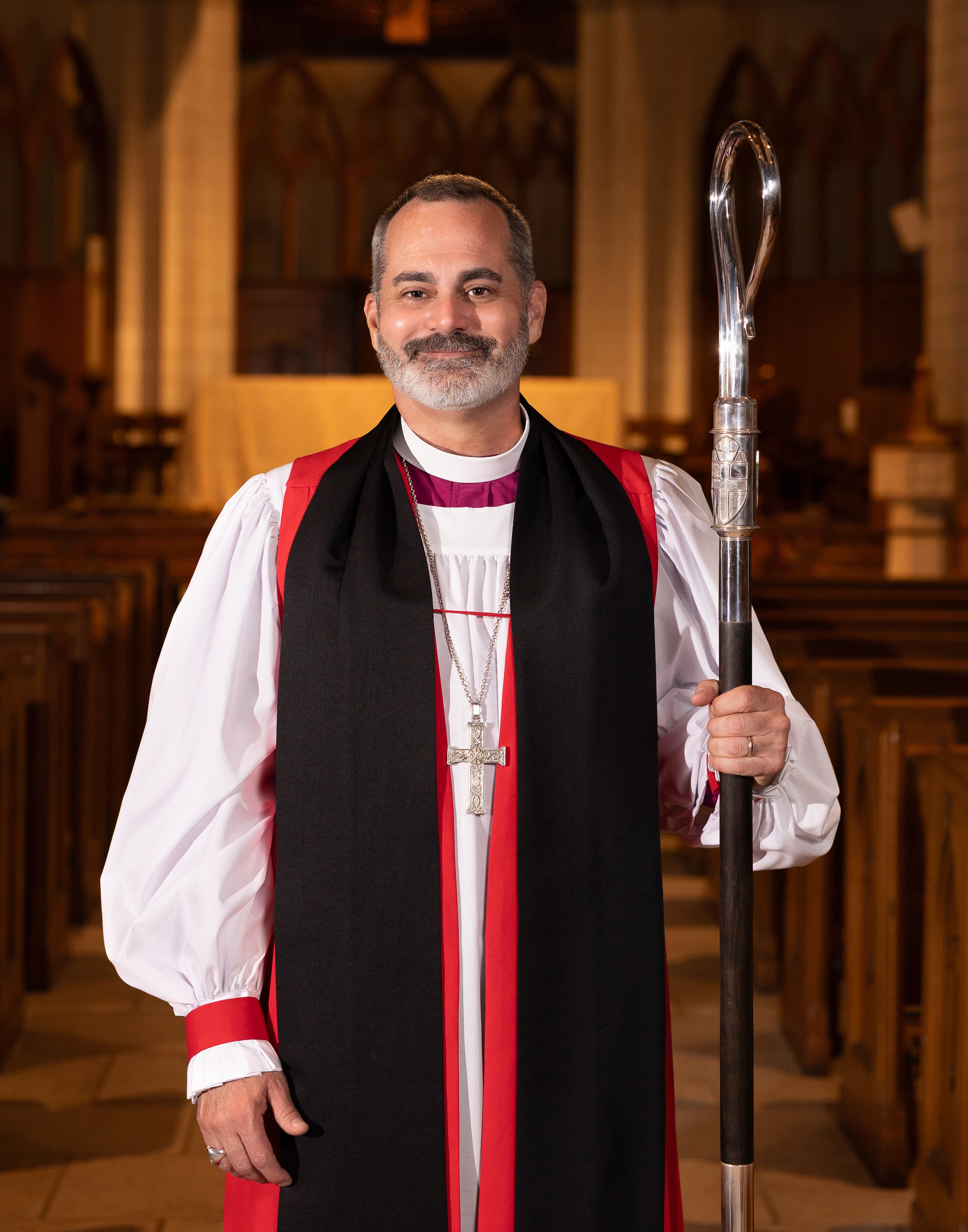
EpiscopalJustin
Justin
Holcomb
Fifth Bishop of the Episcopal Diocese of Central Florida
Watch · Read · Explore file →Every AI ships with the worldview of its makers. Somebody decided what's safe, what's off-limits, what's right and wrong, and what gets pushed back on. It's time to take ownership.
Explore the Council of Rivendell’s web of beliefs in an interactive 3D space.
Open the immersive experience ↗This example needs a supplied and reviewed belief file.
Fictional, unratified example · reconstructed from the Council of Rivendell demo, not a real person’s beliefs. Inferred grip values remain open to challenge.
Belief Protocol gives you one human-readable file you can own, read, edit, and carry across ChatGPT, Claude, Gemini, Grok, and Venice.ai.
Write down what you believe — plainly, in a file you own — and give your AI a worldview you chose instead of one you inherited.
Every belief records how central it is, how tightly it is held, and why it is believed.
Agent Orientations turn those beliefs into instructions the AI follows. Every instruction traces back to a stated belief. Nothing is smuggled in.
Skills tell an AI how. Belief files tell it why things matter.
---
name: belief-protocol
version: "2.1"
structures: [worldview, web, decision-surface]
conflict-resolution: principles-over-rules
on-anomaly: surface
layer-policy: strict
---

# Belief Structure

A typed description of how a principal's beliefs
are organized, held, transmitted, or defended.

## Agent Orientations

**Surface, don't patch.**
← on-anomaly: surface

When a question falls outside the web, say so
and mark the answer provisional. Do not quietly
extend the web to cover it.
A prompt evaporates. A belief file is structured, readable, editable, portable, and owned by you.
A stated worldview is more arguable than a hidden one. Belief Protocol records why a belief is held, which sets what counts as a fair challenge.
Meet the leaders putting their convictions into words. Watch their story, read their profile, and explore the belief file built from what they believe.
Fifth Bishop of the Episcopal Diocese of Central Florida
Watch · Read · Explore file →
Director of the Arthur & Carlyse Ciocca Center for Principled Entrepreneurship and Associate Professor of Practice at The Catholic University of America’s Busch School of Business
Watch · Read · Explore file →Belief Protocol 2.1 is public on GitHub and licensed under Apache 2.0.
The standard is deliberately non-proprietary. Anyone can inspect it, adopt it, fork it, or improve it — including our competition — because a standard that one organization controls isn't a standard.
 ChatGPT
 Claude
 Gemini
 Grok
Grok Venice.ai
Named for compatibility. No platform endorsement is implied.